
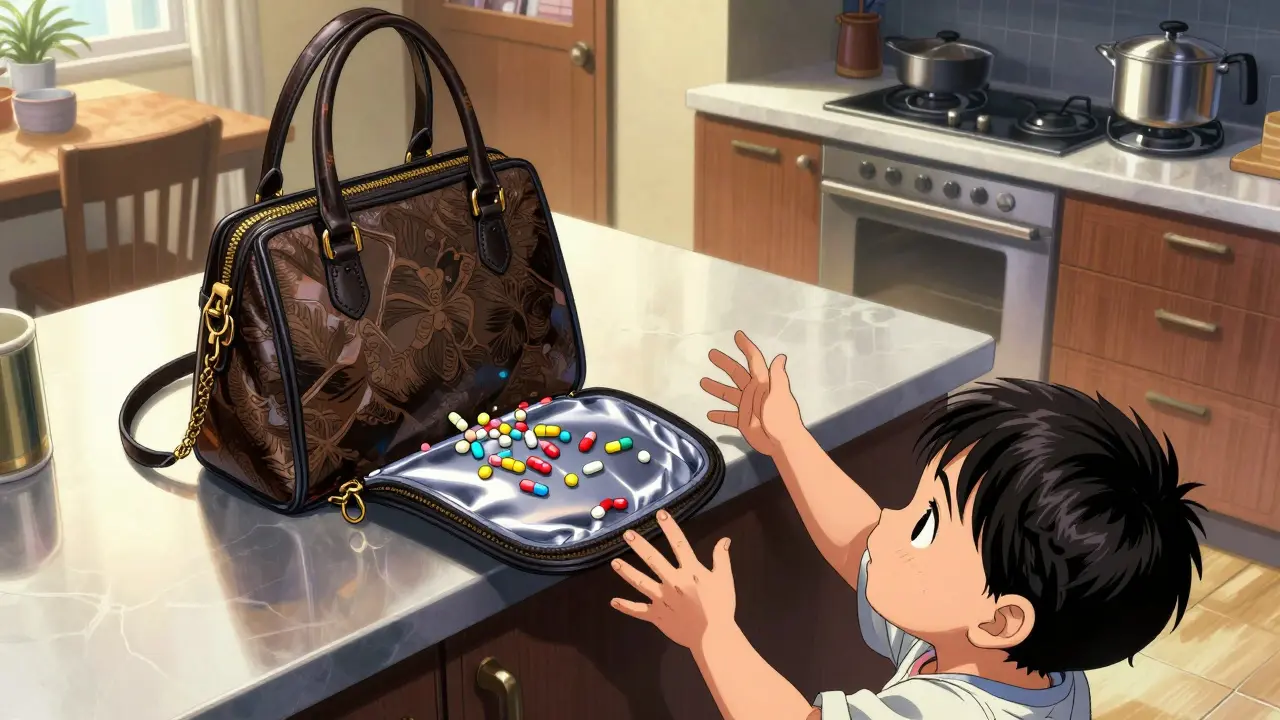
Imagine the panic of finding your toddler with an open bottle of pills or realizing you've accidentally given your elderly parent a double dose of their blood pressure medication. It happens more often than we think. In fact, the CDC reports that roughly 60,000 emergency room visits each year involve young children getting into medicines they shouldn't have. The scary part? Most of these happen while a caregiver is actually watching the child. Whether you are managing a child's vitamins or a grandparent's complex prescriptions, a few simple changes to your home setup can prevent a tragedy. Mastering medication safety fundamentals isn't about being a medical professional; it's about building a system that removes guesswork and minimizes risk.
The Golden Rule of Storage: Up and Away
Many of us instinctively put medicine in the bathroom cabinet. Stop doing that. The humidity from your shower can actually break down the chemicals in your pills, making them less effective or even unstable. Instead, you need to follow the "Up and Away" principle. This means storing medications at eye level or higher-but not just on a high shelf. Little kids are natural climbers; a shelf is just a challenge to them. You need Locked Cabinets secure storage units with physical locks that prevent unauthorized access by children or confused adults.
Be mindful of the "hidden" dangers too. A lot of accidental ingestions happen because a parent leaves a purse or a handbag on a kitchen counter. To a two-year-old, a handbag is a treasure chest of colorful pills. Always zip up your bags and keep them out of reach. If you have Opioids strong pain-relieving medications that act on opioid receptors, often used for severe pain in the house, the stakes are higher. You should keep Naloxone a life-saving medication that can reverse the effects of an opioid overdose on hand and know the signs of an overdose: tiny pupils, slow breathing, and extreme lethargy.
Mastering the "Five Rights" of Administration
In hospitals, nurses use a strict checklist to avoid errors. You can do the same at home. To ensure total accuracy, always verify the "Five Rights" before any dose is given:
- Right Person: Are you giving this to the correct family member?
- Right Medication: Is this the actual drug prescribed for this specific issue?
- Right Dose: Have you checked the measurement? (Pro tip: Always use an oral syringe for liquids, not a kitchen spoon, to reduce errors by nearly 50%).
- Right Route: Is it swallowed, dissolved under the tongue, or applied to the skin?
- Right Time: Is it time for the dose, or was it already given?
If you ever miss a dose, don't panic and definitely don't double up to "catch up." The general rule is to give the missed dose as soon as you remember, then give the next dose at the regular time. Doubling doses is a fast track to an accidental overdose.
Building Your Family Medication Master List
Memory is a dangerous tool when it comes to health. You need a physical or digital record of every single thing crossing your family's lips. This includes not just prescriptions, but Over-the-Counter (OTC) Medications drugs available without a prescription, such as ibuprofen or cough syrups, herbal supplements, and daily vitamins. Some herbal teas or vitamins can interfere with prescription drugs, creating dangerous interactions.
Create a chart and stick it somewhere visible, like the side of the fridge. Your list should include:
- The name of the medication (both the brand name and the generic name).
- The exact dosage (e.g., 10mg).
- The schedule (e.g., twice daily, with food).
- The reason for taking it (e.g., for high blood pressure).
- The date the medication was started.
- Any side effects you've noticed.
| Tool | Best For | Main Pro | Main Con |
|---|---|---|---|
| 7-Day Pill Organizer | Seniors / Multi-drug users | Visual confirmation of dose | Not child-proof |
| Digital Apps (e.g., Medisafe) | Tech-savvy adults | Automatic reminders | Battery/Tech dependency |
| The "Brown Bag" Method | Quarterly Reviews | Pharmacist identifies interactions | Requires physical visit |
| Color-Coding Tape | Multi-person households | Prevents mixing up similar pills | Manual setup required |
Managing Caregiver Stress and Errors
If you are a caregiver, you aren't alone in feeling overwhelmed. Over 70% of family caregivers find medication management to be their most stressful task. The most common mistakes are giving a double dose or getting confused by two pills that look exactly the same. To fight this, try a "buddy system." Have another adult double-check the dose and the patient's name before the medication is administered. It sounds tedious, but it's the most effective way to reach zero errors.
For those managing care for older adults, be especially wary of Anticholinergic Medications drugs that block the action of acetylcholine in the brain and body, often found in some allergy and sleep meds. These can cause confusion and significantly increase the risk of falls in seniors. It is a great idea to schedule a "deprescribing" session with a doctor-basically a meeting to see which medications are no longer necessary and can be safely stopped.
The Cleanup: Proper Disposal
Expired meds or leftover painkillers are ticking time bombs in a medicine cabinet. They aren't just useless; they are tempting for teenagers or dangerous for pets. Don't just throw them in the trash or flush them down the toilet, as this can contaminate the water supply. Instead, use a community drug take-back program or a pharmacy that accepts old medications. If you must throw them away, mix the pills with something unappealing-like used coffee grounds or kitty litter-in a sealed bag to make them less attractive to children or animals.
Your Medication Safety Checklist
To get your home routine locked down, follow these steps over the next two weeks:
- Week 1: The Audit. Gather every pill, liquid, and supplement in the house. Throw away expired items and create your master list.
- Week 2: The Infrastructure. Buy a locked cabinet. Move all meds out of the bathroom and into a cool, dry place. Set up your pill organizers.
- Ongoing: The Review. Every six months, do a "brown bag" review. Put everything in a bag and take it to your pharmacist to check for interactions.
Where is the safest place to store medicine in a house?
The safest spot is a locked cabinet located high up, away from the reach of children. Avoid the bathroom because the heat and humidity can degrade the medication's potency. A cool, dry bedroom closet or a high kitchen cabinet with a child-proof lock is ideal.
How do I prevent dosing errors with liquid medicines?
Stop using kitchen spoons or the plastic cups that often come with syrup. Instead, use a dedicated oral syringe. Syringes allow for much more precise measurement and have been shown to reduce dosing errors by nearly 47%.
What should I do if I forget to give a family member their medication?
Give the missed dose as soon as you remember. Then, give the next dose at the regularly scheduled time. Never give two doses at once to make up for a missed one, as this could lead to an overdose.
Why is a "brown bag" review important?
A brown bag review involves taking all current medications and supplements to a pharmacist. This allows the professional to see everything at once and identify potentially dangerous drug-drug interactions or redundant medications that you might not have noticed.
What is the emergency number for poisoning in the US?
The Poison Control number is 1-800-222-1222. You should save this number in your phone and post it on your refrigerator so it is accessible to anyone in the house during an emergency.

Recent Posts
-
 Seized Counterfeit Medications: Real Cases and What We’ve Learned February 18, 2026