
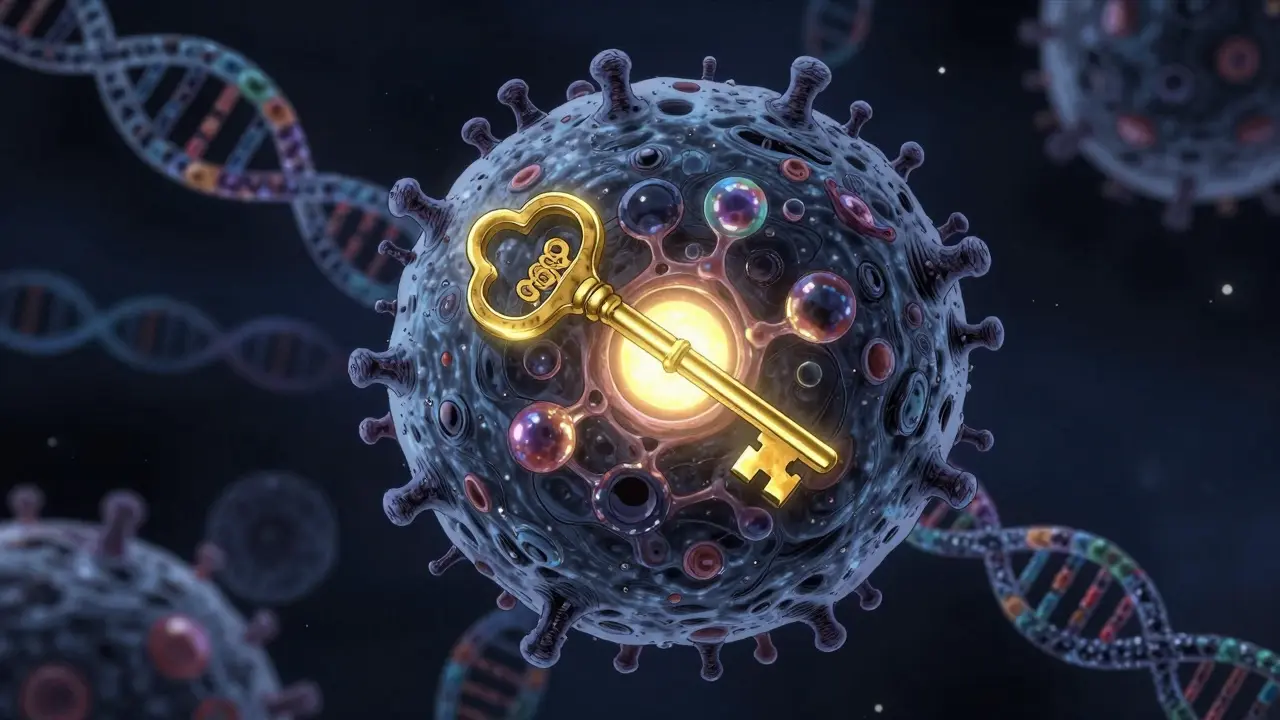
If you or a loved one are looking at options for leukemia or lymphoma, you're likely hearing about targeted and cellular therapies. These aren't just "new drugs"; they are entirely different ways of fighting cancer. While they offer incredible hope-sometimes even curing previously untreatable cases-they come with their own set of rules, side effects, and high price tags. Here is a plain-English breakdown of how these treatments actually work and what they mean for patients today.
The Shift to Precision Medicine
Traditional chemotherapy is like a sledgehammer; it hits everything. Targeted therapies, on the other hand, are like a sniper. They look for specific proteins or genetic mutations that tell a cancer cell to grow and multiply. By blocking these signals, the drug can stop the cancer in its tracks without damaging as many healthy cells.
This shift started back in 2001 with the approval of imatinib for chronic myeloid leukemia. It was a game-changer because it proved we could attack the molecular drivers of cancer. Today, this has expanded into a massive toolkit of drugs that patients often take as a simple daily pill rather than spending hours in an infusion chair at a clinic.
Targeted Therapies: Blocking the Growth Signal
Most targeted therapies for blood cancers fall into a few main buckets. You've probably heard of BTK inhibitors and BCL-2 inhibitors. Here is what they actually do in the body:
- BTK Inhibitors: Drugs like ibrutinib or acalabrutinib block a protein called Bruton tyrosine kinase. Think of BTK as a communication line that B-cells use to survive. When the drug cuts that line, the cancer cells lose their "survival signal" and die off.
- BCL-2 Inhibitors: Venetoclax is a prime example here. Some cancer cells produce too much of a protein called BCL-2, which essentially tells the cell "don't die, even though you're cancerous." Venetoclax blocks that protein, forcing the cancer cell to finally undergo programmed cell death.
For patients with Chronic Lymphocytic Leukemia (CLL), these drugs have completely changed the timeline. In the past, many patients eventually faced "Richter transformation"-where the cancer turns into a much more aggressive form. Data shows that the time it takes for this to happen has more than doubled in the era of targeted therapy, moving from about 2.2 years to nearly 5 years on average.
| Therapy Type | Key Example | Main Target | How it's Taken |
|---|---|---|---|
| BTK Inhibitor | Ibrutinib | Bruton tyrosine kinase | Oral Pill |
| BCL-2 Inhibitor | Venetoclax | BCL-2 Protein | Oral Pill |
Cellular Therapies: Training Your Own Army
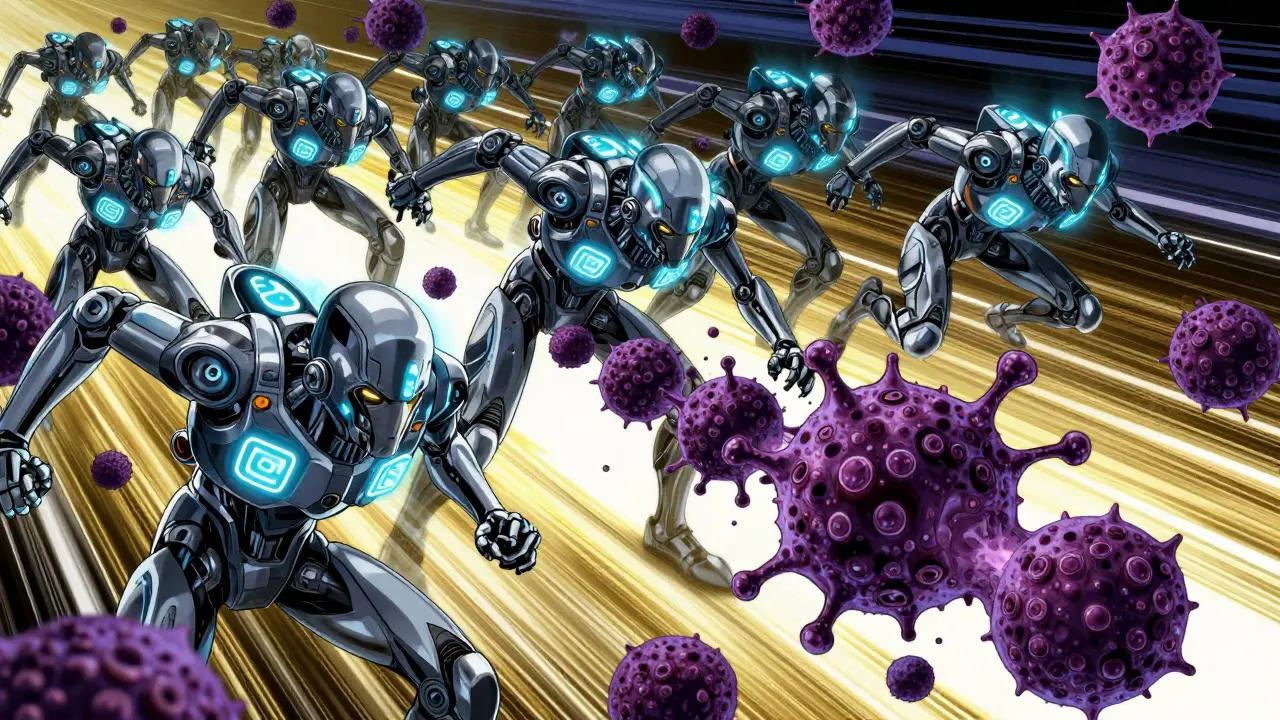
If targeted therapy is a sniper, cellular therapy is like hiring a private security team that knows exactly who the enemy is. The most famous version of this is CAR T-cell therapy. This isn't a drug you buy at a pharmacy; it's a living treatment made from your own blood.
The process is a bit of a journey. First, doctors perform leukapheresis to collect your T-cells (the soldiers of your immune system). These cells are sent to a lab where they are genetically modified to grow a "Chimeric Antigen Receptor" (CAR) on their surface. This receptor acts like a GPS, specifically programmed to find a protein called CD19 on the surface of lymphoma or leukemia cells. Once modified and grown in large numbers, these "super-cells" are infused back into your body to hunt and kill the cancer.
We are seeing some staggering results here. In some trials for relapsed mantle cell lymphoma, certain CAR T-cell therapies have achieved a 100% best overall response rate. For people who have failed every other chemotherapy option, this is often the only path left, and for many, it's a path to complete remission.
The Trade-offs: Side Effects and Logistics
It sounds like a miracle, but these treatments aren't without a cost-both physically and financially. Targeted therapies are generally easier on the body than chemo, but they aren't side-effect free. For instance, venetoclax can cause "tumor lysis syndrome," where cancer cells die so quickly they overwhelm the kidneys. Because of this, patients often have to spend time in the hospital during the first few weeks of a "dose ramp-up" to keep their electrolytes balanced.
Cellular therapies are much more intense. Because you are releasing a massive army of activated T-cells, your body can overreact. This leads to Cytokine Release Syndrome (CRS), which can cause high fevers and dangerously low blood pressure. Some patients also experience neurotoxicity, which can affect speech or balance. This is why CAR T-cell therapy is only done at certified centers with ICU capabilities; you need a team ready to manage these "cytokine storms" immediately.
Then there is the money. We're talking about costs that can range from $373,000 to $475,000 for a single course of CAR T-cell therapy. Even the daily pills for targeted therapy can cost thousands of dollars a month out-of-pocket, creating a massive ethical gap in who can actually access these life-saving tools.
What's Next on the Horizon?
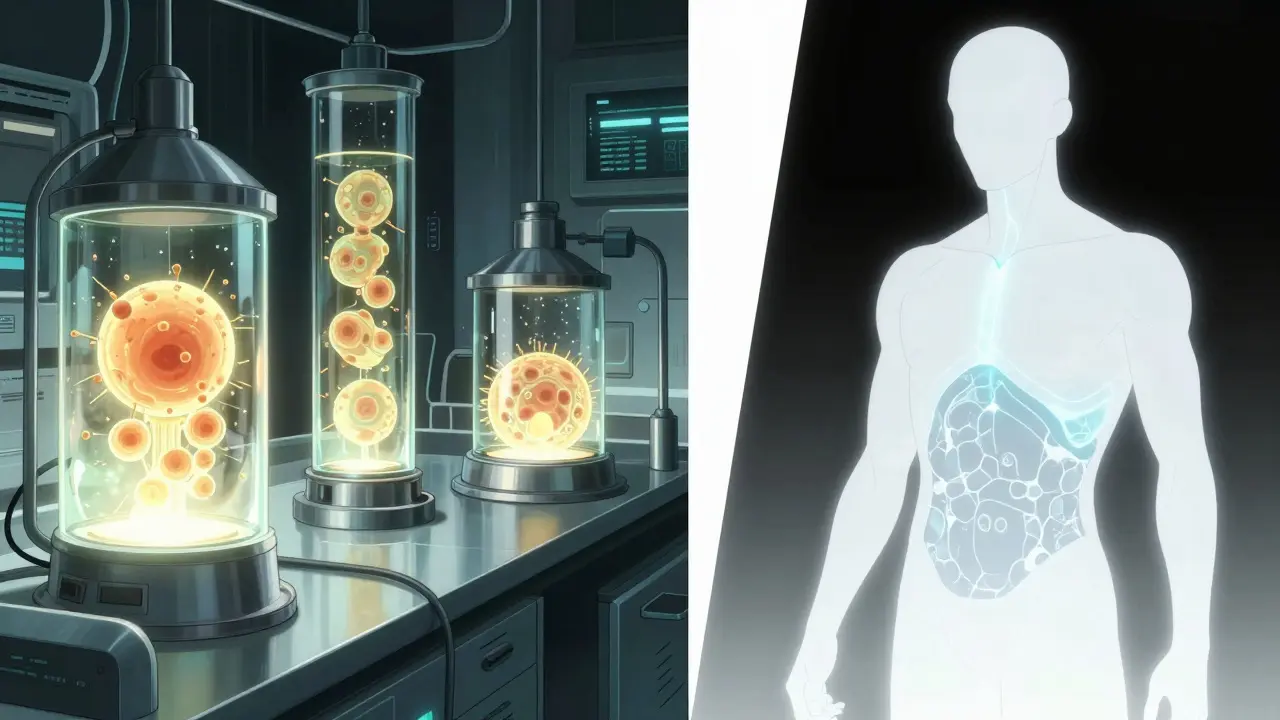
The biggest problem with current therapies is "antigen escape." This is when the cancer realizes it's being hunted by a specific receptor (like CD19) and simply stops producing that protein to become invisible. It's like the cancer is changing its camouflage.
To fight this, researchers are developing "dual-target" therapies. Instead of just looking for CD19, new versions like KITE-363 and KITE-753 target both CD19 and CD20. By hunting two different markers at once, it's much harder for the cancer to hide. There is also a push to move these therapies earlier in the treatment plan. Instead of using them as a "last resort" for relapsed patients, many experts believe that by 2030, CAR T-cell therapy could be a first-line treatment for high-risk lymphomas.
Comparing the Approaches
Choosing between these depends entirely on the type of cancer and the patient's health. Targeted therapies are fantastic for long-term management-keeping the disease stable for years while allowing the patient to live a normal life at home. Cellular therapies are geared more toward a "one-and-done" attempt to wipe out the cancer entirely in patients who are refractory to other treatments.
One key thing to watch for is genetic mutations. Patients with del(17p) or TP53 mutations often find that they develop resistance to targeted therapies faster. For these patients, the window of effectiveness is shorter, making the move to cellular therapy or clinical trials more urgent.
What is the difference between targeted and cellular therapy?
Targeted therapies are drugs (usually pills) that block specific proteins that help cancer grow. Cellular therapies, like CAR T-cell therapy, use a patient's own modified immune cells to actively seek out and destroy cancer cells.
Are these treatments a cure for leukemia or lymphoma?
While "cure" is a strong word, cellular therapies have induced complete remissions in patients who had no other options. Targeted therapies often turn blood cancer into a manageable chronic condition, providing a high quality of life for many years, though total eradication is less common.
How long does CAR T-cell therapy take?
The process involves collecting T-cells, sending them to a lab for genetic modification, and expanding them. This manufacturing phase typically takes 3 to 5 weeks before the cells are ready to be re-infused into the patient.
What are the most common side effects?
Targeted therapies can cause issues like tumor lysis syndrome or specific protein-related toxicities. Cellular therapies are more prone to Cytokine Release Syndrome (CRS) and neurotoxicity, which can cause fever and confusion.
Why are these treatments so expensive?
Cellular therapies are highly personalized medicine; each dose is custom-made for one specific patient in a high-tech lab. Targeted therapies require massive R&D investment to identify the exact molecular pathways to block.

Recent Posts
-
 Counterfeit Medications: Warning Signs and How to Protect Yourself November 28, 2025