
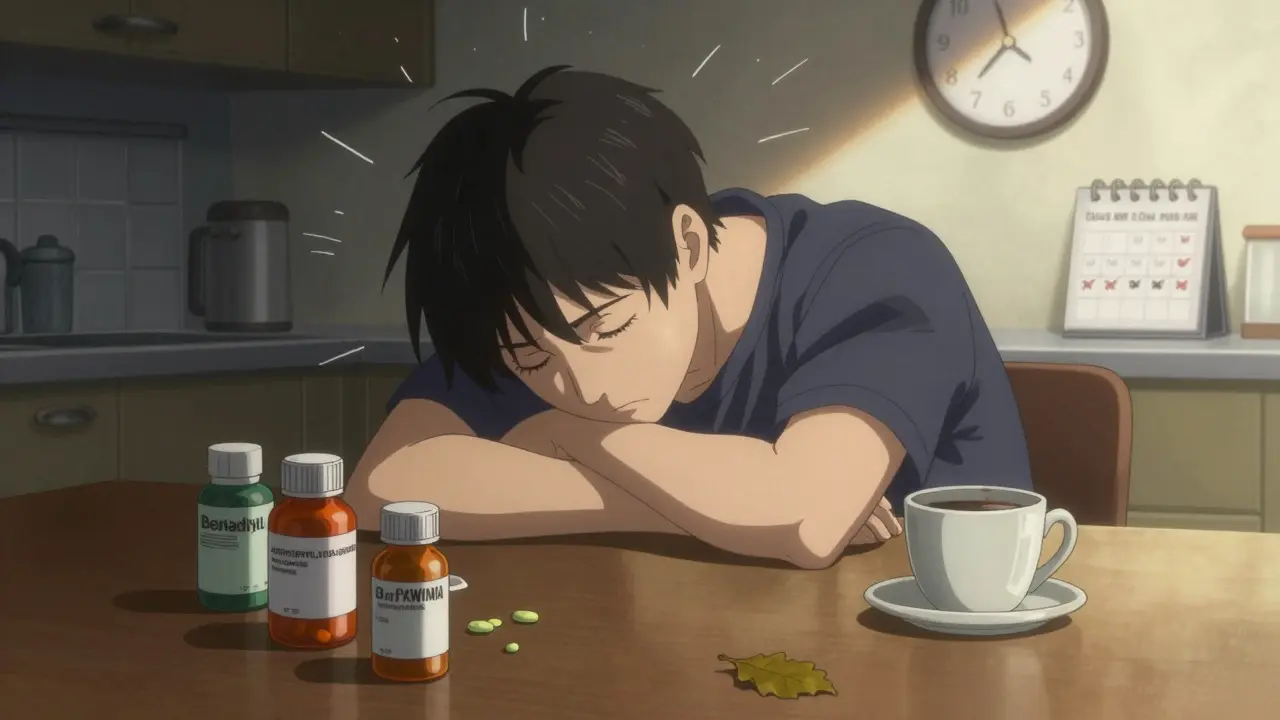
Medication Drowsiness Risk Calculator
Find out if your medications might be causing excessive tiredness and learn how to manage it.
Your Medications
Your Risk Factors
Feeling sluggish after taking your pills? You’re not alone. Around 15-20% of adults in the U.S. report excessive daytime sleepiness caused by their medications. It’s not just a nuisance-it can mean missed work, dangerous falls, or even impaired driving. And many people don’t even realize their meds are the culprit. If you’ve been blaming stress, poor sleep, or aging for your constant tiredness, it might be time to look at what’s in your medicine cabinet.
Which Medications Make You Sleepy?
Not all drugs cause drowsiness, but some of the most common ones do. The biggest offenders are those that slow down your central nervous system (CNS). Here’s what you’re likely taking if you’re feeling wiped out:- Antihistamines: Think Benadryl, Dimetapp, or even some nighttime cold remedies. These are designed to block histamine, which also happens to regulate wakefulness. Up to 70% of users feel sleepy after taking first-gen antihistamines like diphenhydramine or hydroxyzine.
- Tricyclic antidepressants: Medications like amitriptyline and doxepin are powerful for depression and chronic pain, but they also block acetylcholine and serotonin-chemicals that keep you alert. About 30-40% of people on these drugs report lasting fatigue.
- Benzodiazepines: Xanax, Valium, Klonopin-these are prescribed for anxiety and insomnia, but they don’t just help you sleep. They keep you sleepy. Drowsiness can last hours to days, depending on the drug’s half-life.
- Beta-blockers: Used for high blood pressure and heart conditions, drugs like metoprolol and propranolol can slow your heart rate so much that you feel drained. About 10-15% of users report tiredness as a major issue.
- Opioids: Oxycodone, hydrocodone, codeine-they’re great for pain, but they also depress breathing and brain activity. When mixed with benzodiazepines, the risk of overdose jumps dramatically. In 2021, over 16,700 deaths in the U.S. involved this dangerous combo.
- Muscle relaxants, anticonvulsants, and Parkinson’s meds: Cyclobenzaprine, gabapentin, and carbidopa-levodopa all carry drowsiness as a top side effect. Many patients don’t realize their muscle spasm or seizure meds are making them fall asleep at the kitchen table.
Even some antibiotics and antivirals can cause fatigue. If you started a new drug and suddenly can’t stay awake after lunch, that’s not normal-it’s a red flag.
Why Does This Happen?
Your brain runs on chemicals. Neurotransmitters like histamine, serotonin, dopamine, and norepinephrine keep you alert. Many medications interfere with these systems-on purpose or by accident.Antihistamines block histamine receptors. That’s why they treat allergies. But histamine also tells your brain it’s time to wake up. No histamine signal? You feel foggy.
Benzodiazepines boost GABA, the brain’s main calming chemical. That’s good for anxiety, but it also puts your brain in slow motion. Same with opioids-they activate receptors that reduce pain but also trigger drowsiness and slowed breathing.
Tricyclic antidepressants hit multiple targets: serotonin, norepinephrine, acetylcholine. That’s why they work for depression, nerve pain, and insomnia. But they also hit the brakes on alertness. And beta-blockers reduce adrenaline, which can make your energy levels drop like a stone.
It’s not always the drug itself-it’s how your body reacts. Some people metabolize drugs slower due to genetics, liver function, or age. That’s why two people on the same dose can have totally different experiences.
Who’s at Highest Risk?
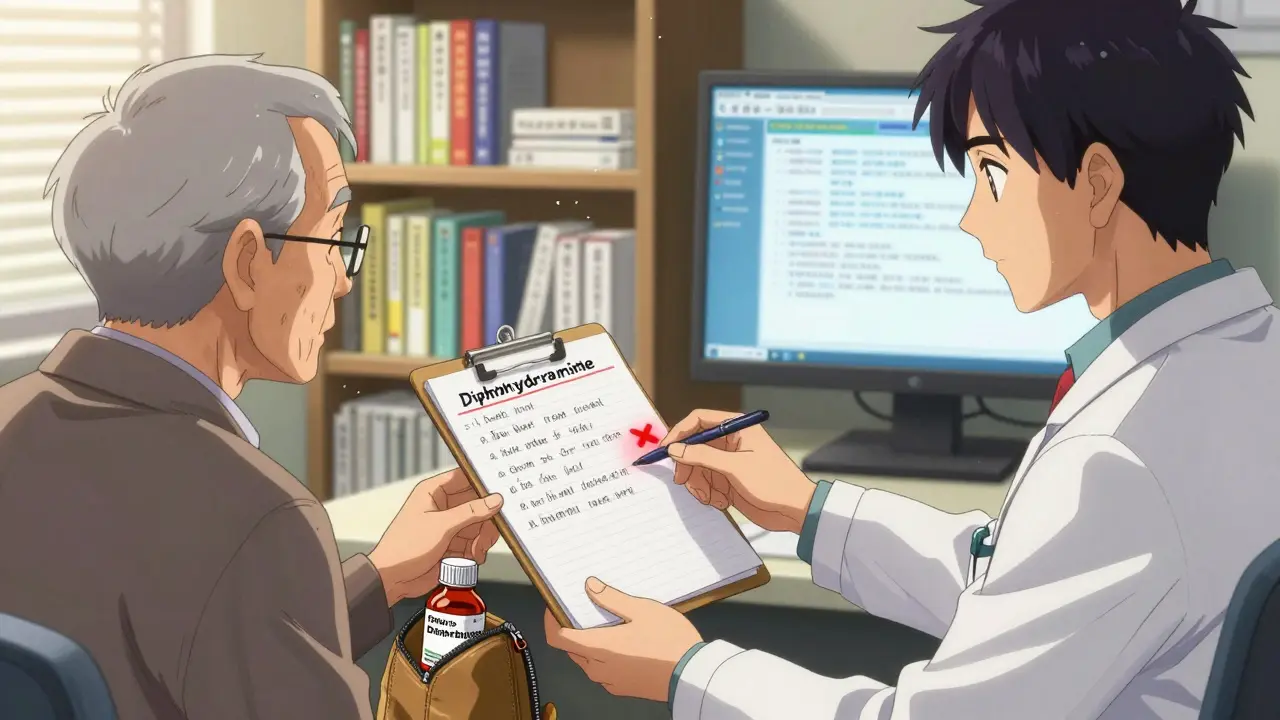
Older adults are especially vulnerable. The American Geriatrics Society’s 2023 Beers Criteria lists 34% of commonly prescribed medications for seniors as having drowsiness risks. That’s why falls in this group are so common-20-30% are linked to medication-induced fatigue.People taking multiple medications are also at higher risk. If you’re on five or more drugs, the chance of a CNS-depressing interaction skyrockets. And if you’re mixing alcohol with any of these meds? That’s like pouring gasoline on a fire. Alcohol makes drowsiness worse and can lead to dangerous breathing problems.
Even young, healthy people aren’t immune. A Reddit user from Seattle reported sleeping 14 hours a day after starting a low dose of amitriptyline. Another swapped from propranolol to nebivolol and suddenly had energy again. The difference wasn’t their lifestyle-it was the specific drug.
How Long Does It Last?
Some people adjust. The American Academy of Sleep Medicine says 60-70% of patients see improvement in drowsiness within 2 to 4 weeks as their body adapts. That’s why doctors often say, “Give it time.”But not all meds are like that. Tricyclic antidepressants and some antihistamines often cause persistent fatigue. No matter how long you take them, you might never feel fully awake. That’s when you need to talk to your doctor about alternatives.
And here’s the catch: stopping some meds cold turkey can be dangerous. Benzodiazepines, for example, can cause seizures or severe anxiety if stopped suddenly. Up to 45% of long-term users experience withdrawal symptoms. Never quit without medical supervision.
What Can You Actually Do?
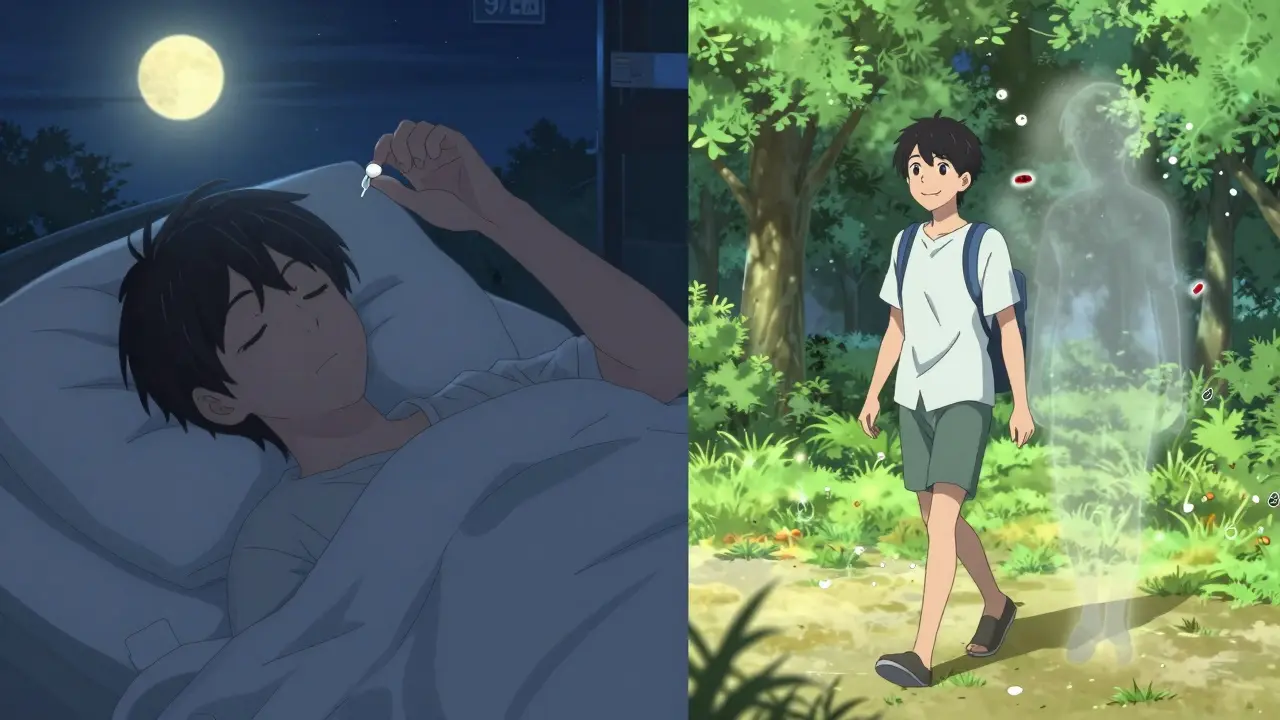
You don’t have to live with constant tiredness. Here are proven strategies:- Take your meds at night. This is the single most effective trick. Harvard Health data shows 65% of patients see big improvements by shifting drowsiness-causing pills to bedtime. If you take a benzo or antihistamine in the morning, you’re fighting sleep all day. Take it at 9 p.m., and you’ll sleep through the side effect.
- Try non-sedating alternatives. Switching from diphenhydramine to loratadine (Claritin) or cetirizine (Zyrtec) cuts drowsiness risk by 80%. Second-gen antihistamines are now the standard for allergies because they don’t cross the blood-brain barrier. Same goes for antidepressants-switching from amitriptyline to desvenlafaxine or escitalopram can eliminate fatigue.
- Move more during the day. Light exercise like a 20-30 minute walk boosts alertness better than caffeine. Scene Health’s 2023 study found patients who walked daily improved fatigue scores by 30-40% when combined with better sleep habits.
- Hydrate. Dehydration makes drowsiness worse. If you’re taking a diuretic or antihistamine, drink water. Not coffee-water.
- Avoid alcohol. It doesn’t just add to the drowsiness-it multiplies it. Even one drink with a benzodiazepine or opioid can be life-threatening.
- Track your symptoms. Keep a simple log: what you took, when, and how sleepy you felt. Bring it to your doctor. It helps them spot patterns you might miss.
When to Call Your Doctor
You should speak up if:- Your drowsiness is interfering with work, driving, or daily tasks
- You’re falling asleep while talking, eating, or watching TV
- You’ve started a new drug in the last 2 weeks and feel worse
- You’re taking more than 3 medications, especially CNS depressants
- You’ve tried adjusting timing and still feel exhausted
Your doctor might switch you to a non-sedating alternative, lower the dose, or check for drug interactions. In some cases, they may recommend solriamfetol (Sunosi)-a newer drug approved for excessive sleepiness, sometimes used off-label for medication-induced fatigue under specialist care.
What About Caffeine?
It’s a mixed bag. Some people swear by coffee to fight med-induced sleepiness. But Harvard Health warns: caffeine after noon can wreck your sleep quality. If you’re already tired from meds, poor sleep makes it worse. You end up in a cycle: take a pill → feel sleepy → drink coffee → can’t sleep → wake up more tired.Instead of relying on caffeine, focus on fixing the root cause. If you need a boost, try a 10-minute walk outside. Natural light resets your body clock better than any cup of coffee.
The Bigger Picture
This isn’t just a personal problem-it’s a public health issue. The FDA received over 127,000 reports of drowsiness-related side effects in 2022, up 22% since 2018. The economic cost? Over $411 billion a year in lost productivity in the U.S. alone.Pharmaceutical companies are responding. More drugs now come with black box warnings. Second-gen antihistamines now make up 78% of the allergy market. And new tools like genetic testing (GeneSight, for example) can predict who’s likely to react badly to certain meds-cutting adverse events by 35% in early trials.
But the most powerful tool remains patient education. The CDC found that when people get clear, personalized advice about side effects, emergency visits for drowsiness drop by 40%. You don’t need to suffer silently. Ask questions. Keep records. Speak up.
Can medication-induced drowsiness go away on its own?
Yes, for many people. About 60-70% of patients notice improvement in 2 to 4 weeks as their body adjusts to the medication. But this doesn’t apply to all drugs-tricyclic antidepressants and some antihistamines often cause lasting fatigue. If you’re still exhausted after a month, talk to your doctor about alternatives.
Is it safe to stop a medication if it makes me sleepy?
No, never stop a prescription drug on your own. Stopping benzodiazepines, antidepressants, or beta-blockers suddenly can cause seizures, rebound anxiety, high blood pressure, or even heart problems. Always consult your doctor first. They can help you taper safely or switch to a better option.
What’s the best time of day to take sleepy meds?
Take them at bedtime. For drugs like antihistamines, tricyclic antidepressants, or muscle relaxants, taking them in the evening reduces daytime drowsiness by 50-70%. It lets your body use the sleepiness as intended-helping you rest-instead of fighting it during the day.
Are there non-drug alternatives for conditions that cause drowsiness?
Yes. For allergies, second-gen antihistamines like loratadine or cetirizine are just as effective but much less sedating. For anxiety, therapy (like CBT) or mindfulness can reduce reliance on benzodiazepines. For chronic pain, physical therapy or nerve blocks may replace muscle relaxants. Always discuss options with your provider.
Can caffeine help with medication drowsiness?
It might help short-term, but it’s not a long-term fix. Caffeine can mask tiredness without fixing the root cause. Worse, drinking it after noon can ruin your sleep, making you even more tired the next day. Better to fix the medication timing or switch drugs than rely on coffee to stay awake.
Why do some people get sleepy from meds and others don’t?
It depends on genetics, age, liver function, and other meds you’re taking. Some people metabolize drugs slowly, so the medicine builds up in their system. Older adults are more sensitive. And if you’re on multiple CNS depressants, the effects add up. Genetic testing (like GeneSight) can now help predict who’s at higher risk.
How do I know if my drowsiness is from meds or something else?
Track your symptoms. Write down when you take each medication and when you feel sleepy. If the fatigue started after beginning a new drug, it’s likely related. Also, if you feel better on weekends when you skip meds, that’s a clue. But don’t assume-it could also be sleep apnea, depression, or thyroid issues. A doctor can help rule out other causes.
Are over-the-counter sleep aids safe if I’m already on other meds?
Not usually. Most OTC sleep aids contain diphenhydramine or doxylamine-both strong antihistamines. If you’re already taking a tricyclic antidepressant, benzodiazepine, or opioid, adding one of these can lead to dangerous CNS depression. Always check with your pharmacist before using any OTC sleep aid.
Final Thoughts
Drowsiness from medication isn’t something you just have to live with. It’s a signal-your body’s way of saying something’s off. Whether it’s the timing, the drug, or a dangerous combo, there’s almost always a better way. Don’t ignore it. Don’t power through. Talk to your pharmacist or doctor. Bring your pill bottles. Ask: “Could this be making me tired?” That simple question could change your energy, your safety, and your life.
Write a comment
Your email address will not be published.
Recent Posts
-
 Heparin Sodium: Cutting-Edge Advances in Anticoagulation Therapy October 18, 2025
 -
 Seized Counterfeit Medications: Real Cases and What We’ve Learned February 18, 2026
 -
 Super Avana vs Alternatives: Dapoxetine and Avanafil Compared November 18, 2025
 -
 Buy Generic Amoxicillin Online Cheap Safely (2025 UK) September 11, 2025

8 Comments
I was taking Benadryl for allergies and thought I was just tired from work 😅 Switched to Zyrtec and boom-like a new person. Don’t suffer in silence, folks! Your brain deserves better.
In India we dont have this problem because our doctors dont prescribe all these western drugs that make you zombie. We use turmeric and yoga. Simple. No need for fancy pills that make you sleep at dinner.
This article is factually accurate, well-researched, and properly cited-unlike the pseudo-science garbage that passes for health advice on Reddit. The FDA data alone should shut down the anti-pharma trolls. Also, if you’re mixing alcohol with benzodiazepines, you’re not a patient-you’re a liability. And yes, I’m talking to you, Nupur.
The notion that taking meds at night is a ‘trick’ is mildly amusing. It’s basic pharmacokinetics. If you can’t grasp that, perhaps you shouldn’t be managing your own prescriptions.
I used to feel like a zombie on amitriptyline until my doctor switched me to escitalopram. It wasn’t magic-it was listening. You’re not weak for needing help. You’re smart for asking. Keep going.
The data on genetic testing like GeneSight is compelling. A 35% reduction in adverse events isn’t a minor win-it’s transformative. Yet most primary care providers still don’t order these tests. Systemic inertia is killing people. We need policy change, not just personal hacks.
The pharmacological ballet happening inside your brain when you take a tricyclic antidepressant is nothing short of poetic-blocking acetylcholine like a silent sentinel, nudging serotonin into the shadows, all while your histamine receptors weep in the corner. And yet, we call it ‘side effect.’ How quaint. We should rename it: ‘The Quiet Sacrifice of Alertness.’
Americans think they can medicate everything. In my country, we endure pain. We don’t ask for a pill that makes us sleep all day. This is weakness dressed as science.