
MAOI Tyramine Risk Checker
Check Your Meal Safety
Enter your food choices to see total tyramine content and risk level.
Tyramine Safety Guide
Important:
As little as 6 mg of tyramine can trigger symptoms. Above 25 mg is dangerous.
A single slice of aged cheddar can contain up to 28 mg of tyramine.
Hypertensive Crisis Risk:
Severe headache (92%), rapid heartbeat (76%), sweating (68%), light sensitivity (54%)
Can occur within 15-30 minutes of eating high-tyramine foods
Risk Assessment Results
What to do:
- Safety Safe foods: Fresh mozzarella, ricotta, cottage cheese, cream cheese
- Moderate Moderate risk: Camembert, Brie, Gruyère, Edam
- Danger High risk: Aged cheddar, Parmesan, blue cheeses, salami, pepperoni
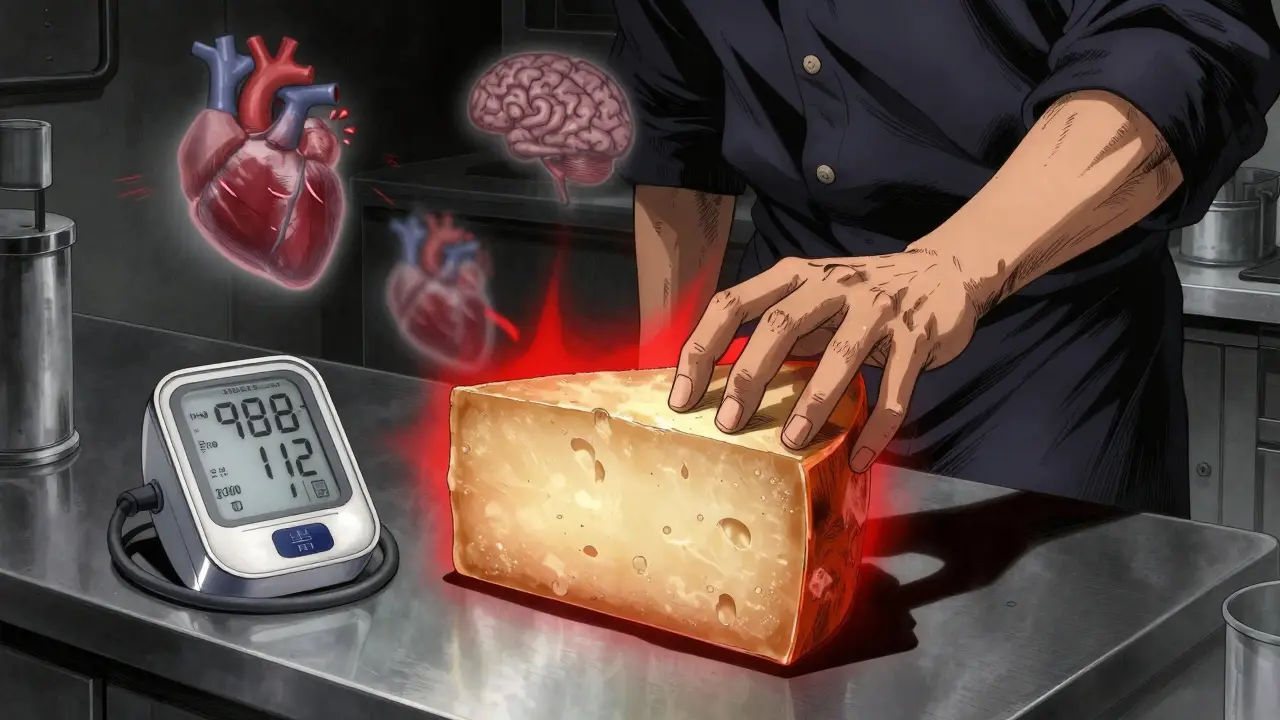
When you're on an MAOI antidepressant like Nardil or Parnate, your favorite cheese plate isn't just a snack-it could be a medical emergency. Aged cheeses and processed meats contain tyramine, a compound that, when combined with these medications, can spike your blood pressure to dangerous levels in minutes. This isn't theoretical. People have ended up in the ER after eating a slice of cheddar or a few slices of pepperoni. And it’s happening more often than you think.
Why Tyramine Is a Silent Threat
Tyramine is a naturally occurring compound formed when proteins break down during aging or fermentation. It’s found in high amounts in foods that have been aged, cured, smoked, or fermented. Your body normally breaks down tyramine using an enzyme called monoamine oxidase. But MAOI drugs block that enzyme completely. When tyramine builds up because it can’t be broken down, it forces your body to release huge amounts of norepinephrine-a stress hormone that makes your heart race and your blood pressure soar.Studies show that a single serving of aged cheddar (about 30 grams) can contain anywhere from 2.16 to 28.59 milligrams of tyramine. For someone on an MAOI, just 6 milligrams can trigger symptoms. At 25 milligrams or more, you’re at serious risk of a hypertensive crisis-blood pressure readings of 180/120 mmHg or higher. That’s not just a headache. That’s a stroke, heart attack, or brain hemorrhage waiting to happen.
Which Cheeses Are Safe? Which Are Not?
Not all cheeses are created equal when it comes to tyramine. The difference between safe and dangerous comes down to how long the cheese has been aged and how it was made.- High-risk cheeses (avoid completely): Aged cheddar (72-953 mcg/g), Parmesan (610-1,400 mcg/g), Swiss (400-1,200 mcg/g), blue cheeses like Stilton and Gorgonzola (1,000-3,500 mcg/g), and feta in brine (350-800 mcg/g). A single 20-gram piece of Parmesan can contain more than 12 mg of tyramine-well above the danger threshold.
- Moderate-risk cheeses (use extreme caution): Camembert, Brie (200-600 mcg/g), Gruyère, Edam (150-500 mcg/g). These aren’t safe to eat freely, but tiny amounts (5-10 grams) might be tolerable for some people under strict monitoring.
- Safe cheeses (generally okay): Fresh mozzarella (under 25 mcg/g), ricotta (under 40 mcg/g), cottage cheese (under 30 mcg/g), cream cheese (under 20 mcg/g), and American cheese (under 50 mcg/g). These are made from pasteurized milk and haven’t undergone aging, so tyramine hasn’t had time to form.
Many people assume all hard cheeses are the same. But a block of aged cheddar from the deli counter is not the same as fresh mozzarella bought that morning. The key is freshness and processing method-not texture or flavor.
Processed Meats: The Hidden Danger
Processed meats are another major source of tyramine. The curing, smoking, and drying processes allow tyramine to build up over time. This is why deli meats aren’t all equal.- High-risk meats: Dry-cured sausages like salami (150-500 mcg/g), pepperoni (200-600 mcg/g), and summer sausage (300-900 mcg/g). These are often stored for weeks or months before sale, giving tyramine time to accumulate.
- Moderate-risk meats: Bacon (75-250 mcg/g), corned beef (60-180 mcg/g), and smoked ham (50-200 mcg/g). These are safer than dry sausages but still risky if eaten regularly or in large portions.
- Safe meats: Freshly cooked chicken, turkey, beef, or pork. As long as it’s not cured, smoked, or aged, tyramine levels are negligible-under 10 mcg/g.
Even a single slice of pepperoni on a pizza can be enough to trigger symptoms in sensitive individuals. Many people don’t realize that the pepperoni they’ve eaten for years suddenly becomes dangerous after starting an MAOI.
Other Surprising Tyramine Sources
Cheese and meat aren’t the only culprits. Fermented foods are often overlooked but can pack a serious punch.- Soy sauce: 1,000-2,500 mcg/g
- Miso: 800-2,000 mcg/g
- Fish sauce: 1,200-3,000 mcg/g
- Draft beer and red wine: Up to 200 mcg/g (bottled beer is usually safe)
- Overripe bananas: More than 10 mcg/g (just one can be risky if you’re sensitive)
- Yeast extracts and Marmite: High in tyramine and often found in soups or sauces
Even foods like peanuts (75-200 mcg/g) and chocolate (50-150 mcg/g) are sometimes restricted, though they’re less likely to cause problems unless eaten in large amounts. The real danger comes from combining multiple high-tyramine foods in one meal-a Parmesan salad with salami and soy dressing could easily push you over 50 mg of tyramine.
Real Stories, Real Consequences
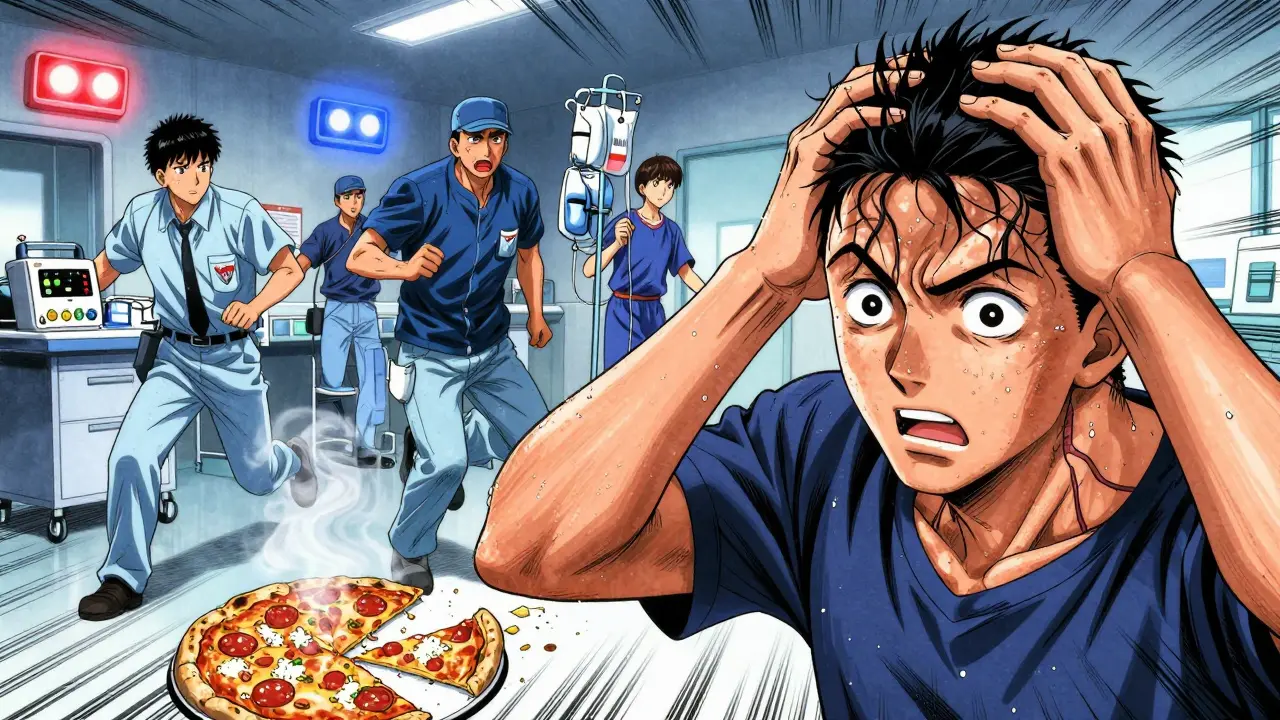
User reports on health forums paint a clear picture of what happens when people ignore these warnings.One user on Drugs.com described eating a salad with Parmesan while on Nardil. Within 20 minutes, they had a crushing headache, their vision blurred, and their blood pressure hit 198/112. They ended up in the ER. Another Reddit user, who’d been on MAOIs for five years, learned through trial and error that 15 grams of aged cheddar was their personal limit. Anything more triggered palpitations and a pounding headache.
According to GoodRx’s 2023 data, 68% of all reported MAOI food reactions involve cheese. Twenty-two percent involve processed meats. The most common symptoms? Severe headache (92%), rapid heartbeat (76%), sweating (68%), and sensitivity to light (54%). These symptoms usually hit within 15 to 30 minutes of eating the trigger food.
How Long Do the Risks Last?
Many people think the danger ends when they stop taking their MAOI. That’s not true. The enzyme monoamine oxidase doesn’t bounce back overnight. It takes 14 to 21 days for your body to fully regenerate it. That means you still need to avoid high-tyramine foods for two to three weeks after your last dose.Stopping the medication doesn’t reset your risk-it just delays it. Jumping back into your old diet too soon can still cause a hypertensive crisis.
Practical Tips for Living Safely
Managing this interaction isn’t about fear-it’s about knowledge and preparation.- Read labels. Look for words like “aged,” “cured,” “fermented,” or “dry-cured.” Avoid anything labeled “naturally aged” or “traditionally prepared.”
- Choose fresh. Buy cheese and meat from the deli counter the same day you plan to eat it. Avoid pre-packaged, long-shelf-life products.
- Use substitutes. Swap Parmesan for fresh mozzarella. Replace salami with grilled chicken. Use olive oil and vinegar instead of soy sauce.
- Carry an emergency card. Many hospitals now recommend carrying a card that explains your dietary restrictions in case of emergency.
- Track your food and blood pressure. Keep a simple log: what you ate, when, and your blood pressure reading. This helps you spot patterns and identify your personal threshold.
- Ask your pharmacist. They can review your grocery list and flag risky items. Most pharmacies now offer free medication counseling for MAOI users.
What’s Changing in 2025?
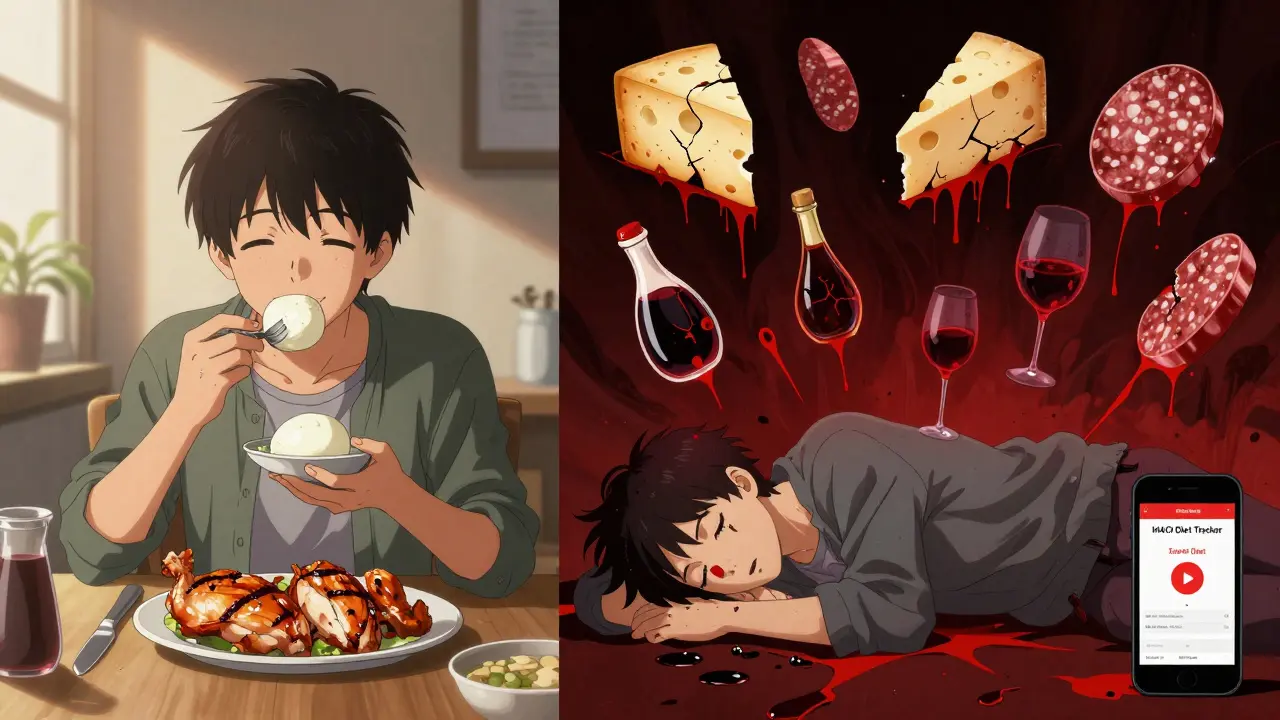
The food and pharmaceutical industries are starting to respond. In 2022, Sargento launched a line of “MAOI-safe” fresh mozzarella cups specifically marketed to people on these drugs. Sales hit $14.7 million that year. The FDA now requires all MAOI packaging to include clear tyramine warnings. The European Union mandates tyramine content labeling on aged cheeses sold there.Technology is catching up, too. The Mayo Clinic released a smartphone app in early 2023 called “MAOI Diet Tracker” that scans barcodes to identify high-tyramine foods. Beta testers found it 89% accurate at flagging risky cheeses.
Research is moving toward solutions beyond diet. A clinical trial funded by the NIH is testing an enzyme supplement designed to break down tyramine in the gut before it enters the bloodstream. If successful, it could eliminate the need for strict diets altogether-possibly within the next five years.
Why This Matters More Than Ever
About 1.4 million Americans are on MAOIs right now. Most are prescribed them for treatment-resistant depression or Parkinson’s disease. But nearly 41% of users admit they struggle to stick to the diet-especially when dining out or socializing. Cheese is everywhere: on pizzas, in pasta, on charcuterie boards. It’s hard to say no.And yet, the consequences are not worth the risk. A single bite of aged cheese can send you to the hospital. A missed meal or a wrong choice can cost you your health-or your life.
This isn’t about being perfect. It’s about being informed. You don’t have to give up food. You just need to know what’s safe and what’s not. And if you’re unsure? Ask your doctor. Ask your pharmacist. Don’t guess.
Can I eat cheese if I’m on an MAOI?
Only fresh cheeses are generally safe-like mozzarella, ricotta, cottage cheese, and cream cheese. Avoid aged, blue, hard, or fermented cheeses like cheddar, Parmesan, Stilton, and feta. Even small amounts of these can trigger a dangerous reaction.
How much tyramine is dangerous on MAOIs?
As little as 6 mg can trigger symptoms in sensitive people. Most dangerous reactions occur above 25 mg. A single 30g serving of aged cheddar can contain up to 28 mg. There’s no safe amount of blue cheese or Parmesan.
Is bacon safe on MAOIs?
Bacon has moderate tyramine levels (75-250 mcg/g). A small portion (1-2 slices) may be tolerable for some, but it’s not recommended. Freshly cooked pork is a safer alternative. Avoid smoked or cured bacon altogether.
Do I need to avoid tyramine forever?
No. You only need to avoid tyramine while taking MAOIs and for 2-3 weeks after stopping. Your body needs 14-21 days to regenerate the enzyme that breaks down tyramine. After that, the risk drops significantly.
Can I drink alcohol while on MAOIs?
Avoid draft beer, red wine, and fermented alcoholic drinks-they contain tyramine. Bottled beer, white wine, and spirits like vodka or gin are usually safe in moderation. But always check with your doctor first.
What should I do if I accidentally eat high-tyramine food?
Check your blood pressure immediately. If you have symptoms like severe headache, chest pain, rapid heartbeat, or blurred vision, call emergency services. Do not wait. A hypertensive crisis can progress rapidly. Keep an emergency card with your medication info handy.
Are there any new treatments to avoid this diet?
Yes. A clinical trial is testing a tyramine-metabolizing enzyme supplement that could neutralize tyramine in the gut before it enters the bloodstream. Early results are promising, and it may become available by 2026. For now, diet remains the only reliable protection.
What to Do Next
If you’re on an MAOI, talk to your pharmacist today. Ask them to review your favorite foods. Download the Mayo Clinic’s MAOI Diet Tracker app. Start keeping a food and blood pressure log. Don’t wait for a crisis to learn what’s safe.This interaction isn’t going away. But with the right information, you can live well-without fear.

Write a comment
Your email address will not be published.
Recent Posts
-
 How to Use Price Transparency Tools to Compare Drug Costs December 9, 2025
 -
 Floxin: Uses, Dosage, Side Effects & Safety Guide September 20, 2025
 -
 How and Where to Buy Sildenafil Online Safely in 2026 July 27, 2026
 -
 Apixaban, Rivaroxaban, Dabigatran: Side Effects Compared June 11, 2026
15 Comments
i just found out i ate parmesan on my nardil last week and didnt even know it was a thing. my head felt like it was gonna explode. thanks for this post. i thought it was just bad coffee.
the real tragedy is not the cheese, but the fact that we’ve allowed pharmaceuticals to dictate our relationship with food. is it medicine or control? tyramine is nature’s way of saying: slow down. maybe the depression isn’t in the mind, but in the modernity of our plates.
If you're on MAOIs and you're still eating anything that's been near a fermentation vat you deserve what you get. This isn't a diet it's a survival protocol. Stop making excuses and read the label. Period.
just got my first MAOI script last month and this post saved my life 🙏. i used to love pepperoni pizza. now i’m eating grilled chicken with fresh mozzarella and basil. tastes like freedom. also downloaded the mayo app-10/10 would recommend. 🍅🧀
The tyramine-monoamine oxidase axis represents a fascinating pharmacodynamic bottleneck wherein exogenous biogenic amines circumvent endogenous catabolic pathways, triggering a catecholaminergic cascade. In layman’s terms: your cheese is basically a biological bomb. But honestly, this is why I love neuropharmacology-it’s like eating a grenade and hoping the fuse is long.
Hey everyone, i know this stuff feels overwhelming but you’re not alone. i’ve been on parnate for 8 years. i switched to ricotta, fresh herbs, and olive oil. i still have dinners with friends. i just bring my own cheese. you can still live well. take it one meal at a time. you got this.
Oh wow another ‘MAOI diet gospel’ post. Did you also read that sunlight causes serotonin depletion and you should wear a tinfoil hat? People panic over cheese like it’s radioactive. Most of these ‘danger levels’ are from lab rats fed 10x the human dose. Chill. I’ve had blue cheese and red wine on MAOIs for years. Still alive. And breathing.
You people are so dramatic. It’s just cheese. If you can’t handle a little tyramine maybe you shouldn’t be on antidepressants at all. This isn’t a cult. It’s medicine. And if you’re so fragile you need to avoid pizza then maybe you’re not ready to be functional. Grow up.
i ate parmesan. got a headache. went to er. now i hate cheese. also my therapist said i’m emotionally dependent on food. so now i’m sad AND hungry. thanks.
The United States has one of the highest rates of MAOI misuse in the world. This is why we need standardized labeling laws. No more vague terms like 'naturally aged.' If it contains tyramine, it must say so in bold, red letters. This isn't a suggestion. It's a public health imperative.
I cried reading this. I’ve been on Nardil for 3 years and I thought I was the only one who couldn’t go to a party without checking every ingredient. Now I’m bringing my own cheese to potlucks. It’s awkward but worth it. 🥹🧀 You’re not alone, everyone. We’re all just trying to stay alive and still taste something good.
Let’s be honest: this isn’t about safety. It’s about control. Big Pharma wants you scared of cheese so you’ll stay on their drugs forever. The real cure? Get off MAOIs. Try ketamine. Try therapy. Try living. You don’t need to be a slave to a 1950s dietary rulebook just because a pill says so.
I’ve been on MAOIs for 12 years. I’ve had 3 hypertensive crises. I don’t care what your ‘personal tolerance’ is. If you eat blue cheese on this med, you’re not brave-you’re reckless. And you’re putting ER staff at risk. You think you’re the exception? You’re not. You’re the statistic.
The irony is that MAOIs were developed in the 1950s when dietary restrictions were the norm. Today, we have precision medicine, gene editing, and AI-driven diagnostics. And yet we’re still telling people to avoid cheddar like it’s the plague. We’ve outsourced biological regulation to the dairy aisle. How quaint.
I’ve been on MAOIs since 2018 and I’ve never once avoided cheese. I’ve had brie, gouda, even a whole wheel of stilton once. I’ve had migraines, yes. But I’ve also had joy. I’ve traveled. I’ve eaten at restaurants. I’ve lived. And I’ve never been hospitalized. So maybe the real danger isn’t tyramine-it’s fear. Fear that’s been sold to us as caution. And I’m done being afraid.