Imagine picking up a bottle of blood pressure medication or diabetes pills, only to find out later that the drug contains trace amounts of a known carcinogen. This isn’t a hypothetical scenario from a dystopian novel; it is the reality many patients faced starting in 2018 when Nitrosamine contamination emerged as a critical quality issue in generic pharmaceuticals. These impurities, specifically N-nitroso compounds, are potent genotoxic agents classified as probable human carcinogens by the International Agency for Research on Cancer (IARC). Even at levels measured in nanograms per day, they pose potential cancer risks. The crisis has forced a complete overhaul of how generic drugs are manufactured, tested, and regulated globally.
The Spark: How the Crisis Began
The trouble started with Valsartan, an angiotensin II receptor blocker (ARB) used to treat high blood pressure. In 2018, the U.S. Food and Drug Administration (FDA) detected nitrosamine impurities in valsartan products made by several manufacturers. This discovery triggered a domino effect. Suddenly, dozens of other generic drugs were under scrutiny. The first wave involved 10 products being abruptly withdrawn from the U.S. market. Since then, the scope has widened dramatically. From 2018 through mid-2025, the FDA has overseen more than 40 specific drug product recalls linked to nitrosamine contamination or the risk of its formation. When you look at active pharmaceutical ingredients (APIs), the number jumps to over 500 total recalls due to unacceptable nitrosamine levels.
Why did this happen? Nitrosamines form through chemical reactions between nitrosating agents and secondary or tertiary amines under specific manufacturing conditions. It wasn't just one ingredient causing the problem. The crisis affected a wide range of therapeutic categories, including ARBs like losartan, ranitidine (the heartburn drug Zantac), rifampin, metformin (for diabetes), duloxetine (an antidepressant), and varenicline (for smoking cessation).
| Impurity Name | Abbreviation | Risk Classification | FDA Acceptable Intake Limit (ng/day) |
|---|---|---|---|
| N-Nitrosodimethylamine | NDMA | Probable Human Carcinogen | 96 |
| N-Nitrosodiethylamine | NDEA | Probable Human Carcinogen | 26.5 |
| N-Nitrosomethylbutylamine | NMBA | Possible Human Carcinogen | 9.7 |
| Nitrosamine Drug Substance-Related Impurities | NDSRIs | Varies by Compound | 96 (Standard Default) |
Understanding the Chemistry: Where Do They Come From?
You might wonder how these contaminants get into your pills. It’s not usually malicious tampering. Instead, it’s often a byproduct of standard chemical processes or storage conditions. For example, Nitrite impurities found in excipients like magnesium stearate can react with amine-containing APIs during manufacturing. A quality assurance manager at a European API supplier reported that nitrite impurities in magnesium stearate from a single supplier caused NDEA formation in three different ARB products. This required a complete supply chain overhaul that took 14 months to fix.
Another surprising source has been packaging. Between 2022 and 2025, recalls increasingly pointed to nitrosating agents coming from adhesives, colorants, or secondary amine-based materials in blister films and bottle liners. This expanded the scope of contamination sources beyond traditional API and excipient concerns. If a pill touches a liner that off-gasses nitrosating agents over time, the drug itself can become contaminated during shelf life. This means even if the manufacturing process is perfect, poor packaging choices can ruin the batch.
Regulatory Response: The FDA’s Strict Limits
The regulatory response has been swift and uncompromising. The FDA established Acceptable Intake (AI) limits for various nitrosamines. These limits correspond to individual nitrosamine impurities and are only applicable if a drug product contains a single nitrosamine. If multiple nitrosamines are present, the FDA recommends a limit for total nitrosamines. For instance, if two nitrosamines are each at 80% of their individual AI limits, the combined risk is 160% of the acceptable threshold, which is not allowed.
In September 2024, the FDA released updated guidance titled 'Control of Nitrosamine Impurities in Human Drugs.' This document set clear expectations for manufacturers. However, the timeline for compliance became a point of contention. Originally, there was a hard deadline of August 1, 2025, for compliance with NDSRI limits. Recognizing the practical difficulties, the FDA updated its stance in June 2025. They now accept progress reports in lieu of full compliance for some sponsors, acknowledging that "nitrosamine mitigation strategies vary widely and can demand extensive time and supply-chain adjustments." This shift allows manufacturers to detail their mitigation efforts in annual reports rather than facing immediate enforcement actions if they haven't fully resolved complex root causes.
Industry Impact: Costs and Consolidation
For generic drug manufacturers, this crisis has been financially devastating. Comprehensive nitrosamine testing programs cost between $500,000 and $2 million annually for mid-sized companies. One process engineer from a mid-sized generic manufacturer shared that they spent 18 months and over $2 million to identify and eliminate nitrosamine formation pathways in their metformin line. This required complete revalidation of manufacturing processes.
The high cost of compliance has accelerated consolidation in the generic manufacturing sector. Smaller players struggle to afford the required testing and reformulation investments. According to Evaluate Pharma's 2025 market analysis, nitrosamine-related compliance costs have reduced profit margins for generic manufacturers by 3-5 percentage points industry-wide. Larger companies like Teva Pharmaceuticals, Fresenius Kabi, and Sun Pharmaceutical Industries have implemented comprehensive control programs, gaining a competitive advantage. Conversely, smaller firms face closure or acquisition. This dynamic threatens the diversity of the generic supply chain, potentially leading to fewer competitors and higher prices for consumers in the long run.
Global Perspective: EMA vs. FDA
While the FDA has taken the most aggressive approach, other regulators are following suit. The European Medicines Agency (EMA) has issued 32 nitrosamine-related product recalls through mid-2025. Health Canada, the UK’s MHRA, Brazil’s ANVISA, Japan’s PMDA, and agencies in Korea, Singapore, and Namibia have also reported recalls. However, there are differences in implementation. The FDA’s August 2023 NDSRI guidance introduced more stringent requirements for compound-specific acceptable intake limits compared to the EMA’s approach, which uses more generic thresholds. The FDA’s stricter deadlines create more immediate pressure on manufacturers exporting to the U.S. market. This divergence forces global manufacturers to adopt the highest common denominator of standards, effectively making the FDA’s rules the de facto global benchmark.
What Patients Should Know
If you take generic medications, especially for blood pressure, diabetes, or mental health, you should be aware of this issue but not panic. Regulators are actively monitoring the supply. The key is to stay informed about recalls. You can check the FDA website or consult your pharmacist if you have concerns about a specific brand. Most major recalls have been managed proactively by manufacturers pulling products before widespread harm occurred. The presence of nitrosamines does not mean every generic drug is unsafe; it means the industry is undergoing a rigorous cleaning process to ensure long-term safety. Trust in the system relies on transparency, so keep an eye on official recall notices.
Future Outlook: Will It Get Better?
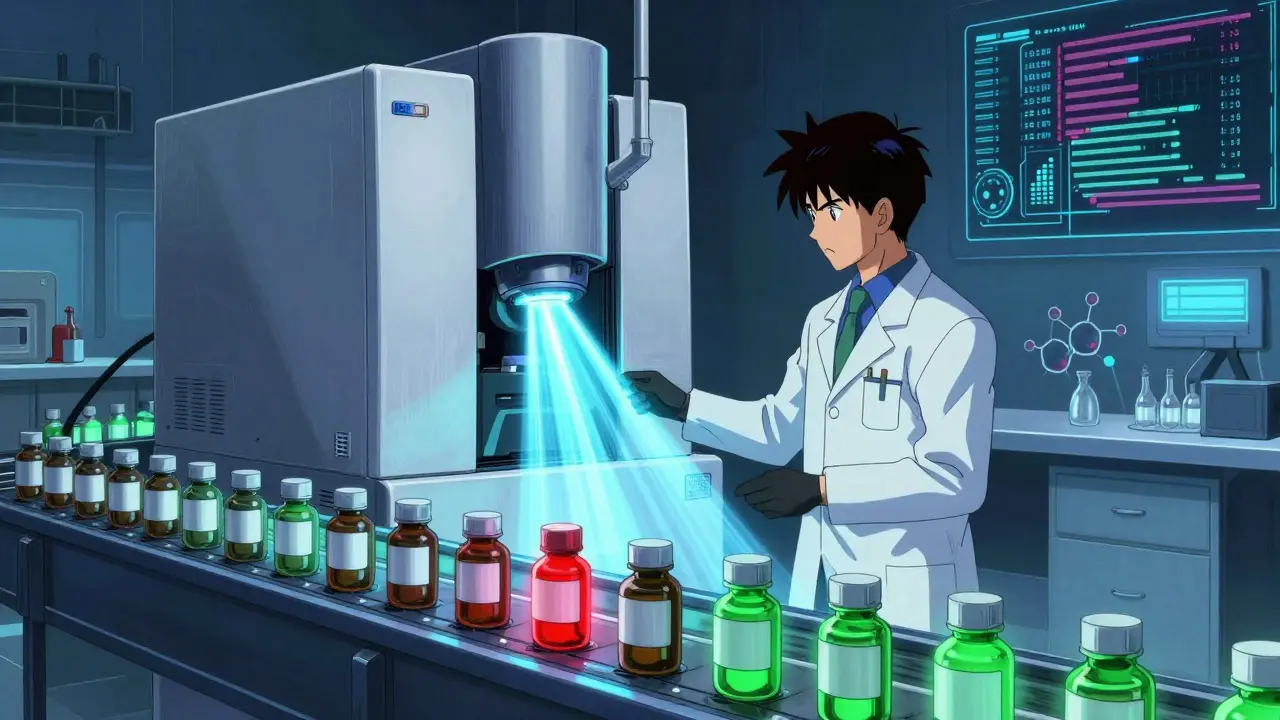
Looking ahead, industry analysts predict continued regulatory scrutiny. The FDA has indicated that nitrosamine control will remain a top priority. We may see expansion of testing requirements to additional drug classes. Manufacturers are investing in advanced analytical methods, such as LC-MS/MS, capable of detecting nitrosamines at parts-per-billion levels. As these technologies become standard, detection rates will improve, potentially uncovering new issues in previously overlooked areas. The goal is to move from reactive recalls to proactive prevention. Until then, the tension between patient safety and supply chain stability will remain a central challenge in the pharmaceutical industry.
What are nitrosamines and why are they dangerous?
Nitrosamines are chemical compounds that can form in drugs during manufacturing or storage. They are classified as probable or possible human carcinogens by the IARC. Even tiny amounts, measured in nanograms, can increase cancer risk over time, which is why regulators enforce strict limits.
Which generic drugs are most affected by nitrosamine contamination?
The most affected classes include Angiotensin II Receptor Blockers (like valsartan and losartan), ranitidine, metformin, rifampin, duloxetine, and varenicline. These drugs contain chemical structures that are prone to reacting with nitrosating agents to form nitrosamines.
How do manufacturers test for nitrosamines?
Manufacturers use highly sensitive analytical methods like Liquid Chromatography-Mass Spectrometry (LC-MS/MS). These tests can detect nitrosamines at parts-per-billion levels, ensuring that concentrations remain below the FDA’s Acceptable Intake (AI) limits.
Did the FDA extend the deadline for nitrosamine compliance?
Yes. In June 2025, the FDA softened the August 1, 2025 deadline for NDSRI compliance. Instead of requiring full compliance immediately, they now accept progress reports from manufacturers who are still working to identify root causes and reformulate products.
Can packaging cause nitrosamine contamination?
Yes. Recent recalls have identified nitrosating agents in blister film adhesives, bottle liners, and colorants as sources of contamination. This means the packaging material can interact with the drug over time, creating nitrosamines even if the initial manufacturing was clean.