
Beers Criteria: What It Is and Why It Matters for Older Adults
When you’re over 65, some medications that worked fine earlier in life can become dangerous. That’s where the Beers Criteria, a list of potentially inappropriate medications for older adults, updated regularly by the American Geriatrics Society comes in. It’s not a ban—it’s a guide. Doctors use it to spot drugs that raise the risk of falls, confusion, kidney damage, or even death in seniors, especially when taken with other pills. Also known as the Beers List, a widely recognized reference for geriatric prescribing, it’s based on real-world data from hospitals and clinics, not theory.
What makes the Beers Criteria so practical is how it connects to everyday health problems. For example, many older adults take antihistamines like diphenhydramine for sleep or allergies, not realizing these are strong anticholinergic drugs, medications that block acetylcholine and are linked to memory loss and dementia risk. Or they’re on benzodiazepines for anxiety, unaware that these increase fall risk by 50% in people over 70. The criteria calls these out clearly. It also flags drugs that strain the kidneys or liver—common issues in aging bodies—and warns against stacking too many pills, a problem called polypharmacy, the use of multiple medications that can lead to harmful interactions. You’ll see this theme in the posts below: hydroxyzine’s heart risks, anticholinergics and dementia, and how kidney function changes with age all tie directly to the Beers Criteria.
The goal isn’t to scare you off medicine—it’s to make sure the right drugs are used at the right doses. Many seniors take five, ten, or more prescriptions. The Beers Criteria helps cut the clutter. It’s used by pharmacists reviewing meds, nurses in nursing homes, and even patients who want to ask smarter questions. If you’re caring for an older parent or managing your own health as you age, this list is a tool to push back on unnecessary prescriptions and demand safer alternatives. Below, you’ll find real examples of how these risks show up in daily life—from drug interactions that cause confusion to kidney damage from common painkillers—and how to spot them before they hurt you.
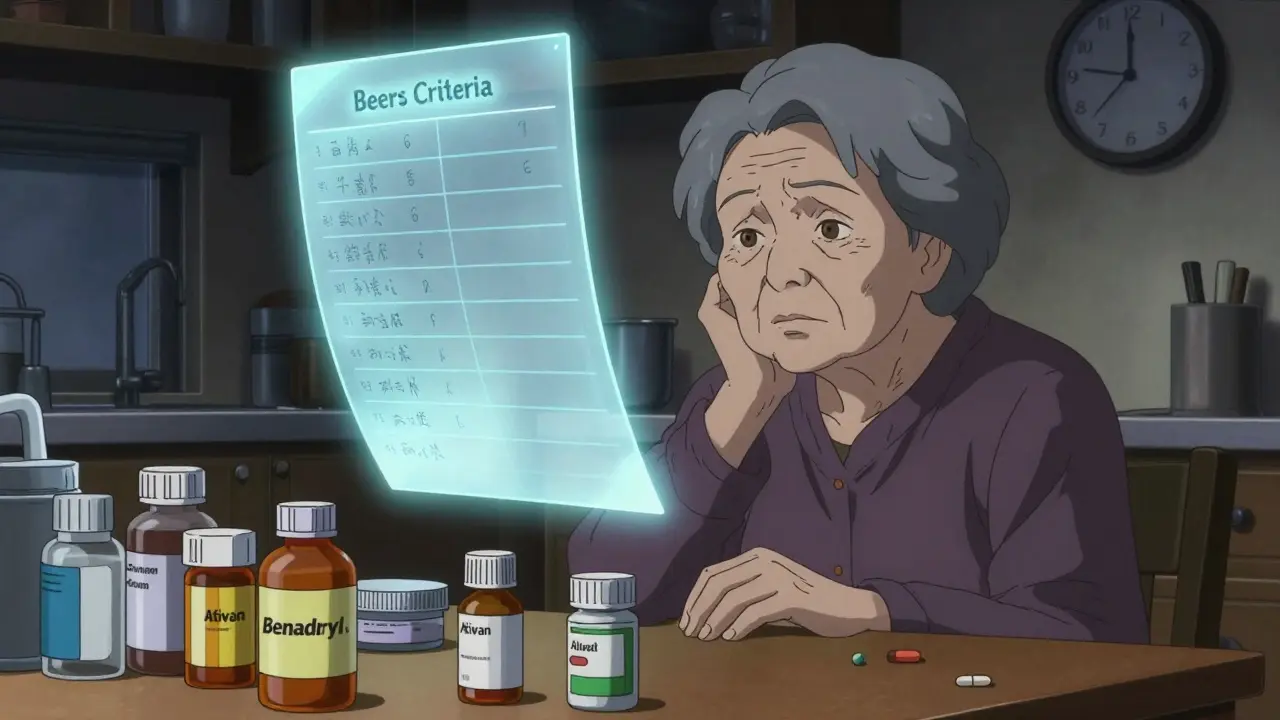
The Beers Criteria: Potentially Inappropriate Medications for Seniors
The Beers Criteria helps doctors avoid harmful medications for seniors. Learn which drugs to question, why they're risky, and what safer alternatives exist-backed by the latest 2023 and 2025 updates.
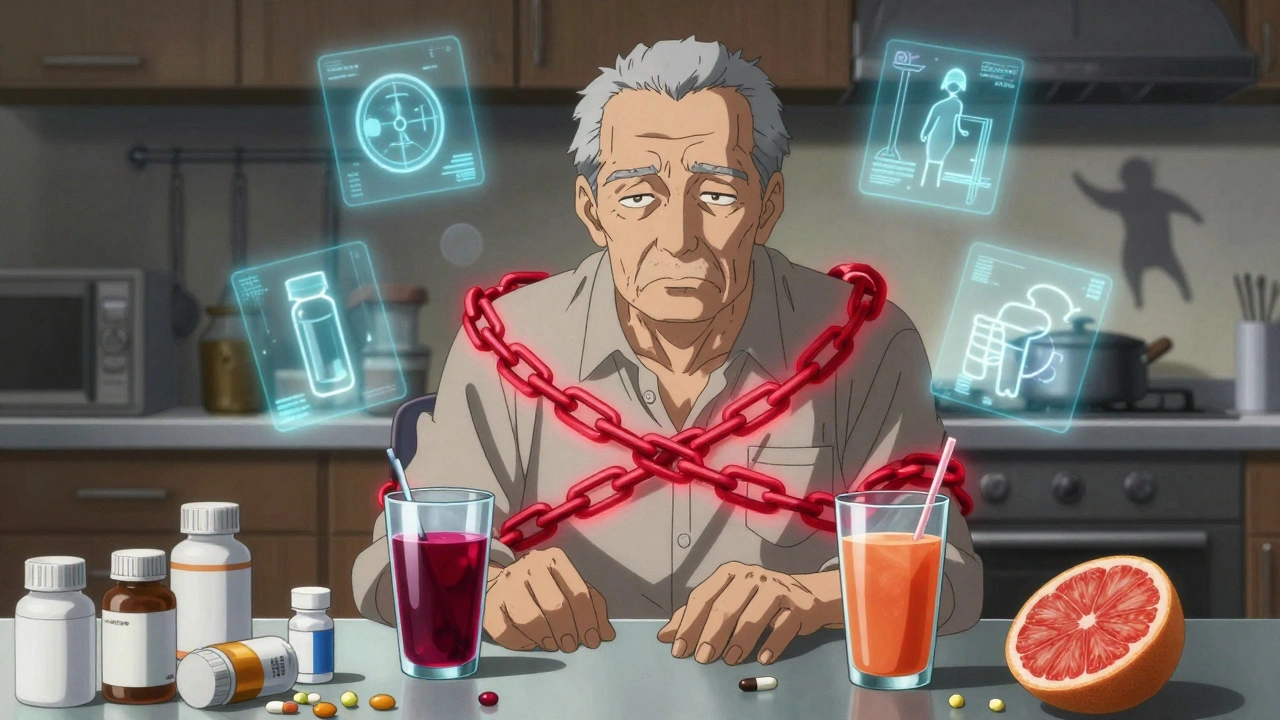
Polypharmacy Risk Checklist: How to Spot Dangerous Medication Combos
Polypharmacy-taking five or more medications-can be dangerous. Learn the top risky drug combos, how to spot them, and what to do to protect yourself or a loved one. A practical checklist for safer medication use.