
Triptan Safety & Interaction Checker
Disclaimer: This tool is for informational purposes only and does not constitute medical advice. Always consult your healthcare provider before taking triptans.
That familiar throbbing behind your eyes hits again. You reach for your Triptans are selective serotonin receptor agonists specifically designed to treat acute migraine attacks by constricting blood vessels and blocking pain pathways. medication, hoping it will work this time. But what if you’ve just taken an antidepressant? Or what if you have high blood pressure? Triptans are powerful tools in the fight against migraines, but they come with strict rules about who can take them and what they interact with. Getting these details wrong doesn’t just mean a wasted pill; it can lead to serious health complications.
Understanding how triptans work-and where they fail-is crucial for anyone managing moderate to severe migraines. These drugs aren't one-size-fits-all. They have specific chemical triggers that can clash with other medications or underlying health conditions. This guide breaks down the critical interactions, limitations, and safety checks you need to know before taking your next dose.
How Triptans Actually Work in Your Body
To understand why triptans have such strict limitations, you first need to see what they do inside your body. Unlike standard painkillers like ibuprofen, which block general inflammation, triptans target specific receptors in your brain and blood vessels. Specifically, they act as agonists for the 5-HT1B and 5-HT1D serotonin receptors.
When you take a triptan, two main things happen:
- Vasoconstriction: The drug stimulates 5-HT1B receptors on smooth muscle cells, causing dilated blood vessels in the brain to narrow back down to their normal size.
- Pain Signal Blocking: It activates 5-HT1D receptors on trigeminal neurons, stopping the release of vasoactive peptides like CGRP (calcitonin gene-related peptide) and substance P, which are responsible for sending pain signals.
This mechanism is why timing matters so much. If you take a triptan too early-during the aura phase when blood vessels might already be constricted-it can be counterproductive or even worsen neurological symptoms. The goal is to catch the headache at its onset, when vessels are dilated, to bring them back to baseline.
Critical Drug Interactions to Watch For
The most significant risk associated with triptans involves their effect on serotonin levels. Because triptans increase serotonin activity, combining them with other drugs that also boost serotonin can lead to a rare but life-threatening condition called Serotonin Syndrome is a potentially fatal condition caused by excessive serotonergic activity in the central nervous system, characterized by agitation, confusion, rapid heart rate, and high blood pressure.. While documented cases are rare, the risk is real enough that doctors exercise extreme caution.
You must inform your doctor if you are taking any of the following:
- SSRIs and SNRIs: Common antidepressants like fluoxetine (Prozac), sertraline (Zoloft), or venlafaxine (Effexor) increase serotonin reuptake inhibition. Combining these with triptans requires careful monitoring.
- MAO Inhibitors: Monoamine oxidase inhibitors used for depression or Parkinson’s disease are strictly contraindicated with triptans. Taking them within two weeks of each other is dangerous.
- Ergot Derivatives: Medications containing ergotamine or methysergide should never be taken within 24 hours of a triptan. Both classes cause vasoconstriction, and using them together can severely restrict blood flow.
If you experience symptoms like sudden agitation, hallucinations, fast heartbeat, fever, muscle stiffness, or loss of coordination after taking a triptan alongside another medication, seek emergency medical help immediately.
Who Should Never Take Triptans?
Because triptans constrict blood vessels, they pose a significant risk to people with certain cardiovascular conditions. The FDA has placed black box warnings on these medications due to the potential for heart attack, stroke, and other vascular events. Even if your heart feels fine, hidden risks can exist.
Triptans are absolutely contraindicated if you have:
- Ischemic Heart Disease: Including angina, history of myocardial infarction (heart attack), or documented coronary artery vasospasm.
- Cerebrovascular Disease: History of stroke or transient ischemic attacks (TIAs).
- Peripheral Vascular Disease: Conditions affecting blood flow to limbs.
- Uncontrolled Hypertension: High blood pressure that isn’t managed with medication.
- Severe Hepatic Impairment: Liver damage can prevent the body from breaking down the drug, leading to toxic buildup.
Even for those without diagnosed heart disease, risk factors matter. If you are over 40 and have multiple risk factors like smoking, diabetes, obesity, or high cholesterol, your doctor may require a cardiac evaluation before prescribing triptans. The risk of myocardial infarction is low-reported at roughly 0.08 per 10,000 patient-years for sumatriptan-but it is not zero.
Limitations: When Triptans Just Don’t Work
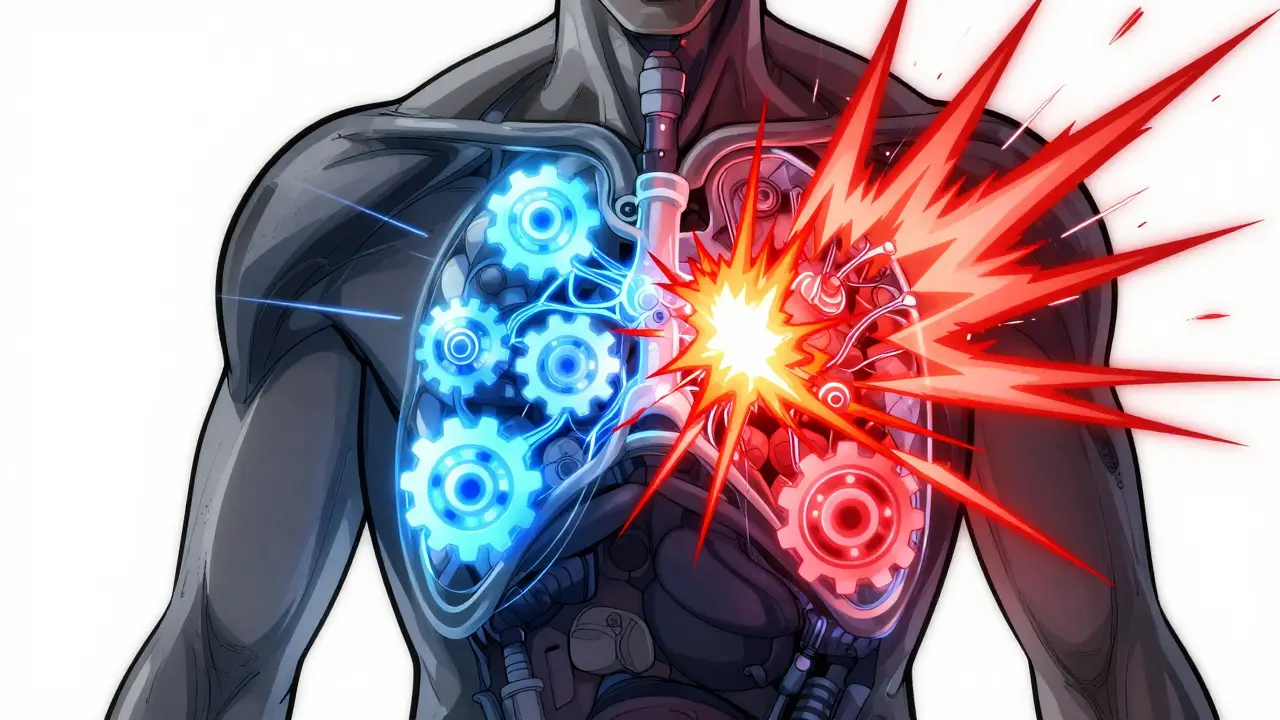
Even if you’re cleared medically, triptans don’t work for everyone. About 30-40% of migraine sufferers report inadequate response to any given triptan, and 20% find no relief from any of them. Why does this happen?
Cutaneous Allodynia: This is a key limitation many patients overlook. Cutaneous allodynia is a condition where normally non-painful stimuli, like brushing hair or wearing glasses, become painful. It usually develops after the migraine pain has been present for several hours. Studies show that triptans are 70-80% effective in patients *without* allodynia, but their efficacy drops to 30-40% when allodynia is present. If your skin feels sensitive to touch, taking a triptan might be too late. You need to intervene earlier.
Genetic Variability: Your genes play a role in how your body metabolizes these drugs. Some people break down triptans quickly, rendering them ineffective before they can work. Others may have receptor variations that make the drug less potent. This is why switching between different triptans (e.g., from sumatriptan to rizatriptan) often helps; 30-40% of non-responders to one triptan respond well to another.
Dosing Limits and Medication Overuse Headache
It’s tempting to take another pill if the first one didn’t fully knock out the pain. However, triptans have strict dosing limits to prevent Medication Overuse Headache is a chronic daily headache disorder caused by frequent use of acute migraine medications, creating a cycle of rebound pain. (MOH). Also known as rebound headache, MOH occurs when the brain becomes dependent on the medication, causing headaches to return as soon as the drug wears off.
Follow these golden rules:
- Daily Cap: Never take more than two doses of any triptan in a 24-hour period.
- Interval Timing: Wait at least two hours between doses if the first one fails.
- Monthly Frequency: Avoid using triptans on more than 9-10 days per month. Exceeding this threshold significantly increases your risk of developing chronic migraines.
If you find yourself needing triptans more frequently than this, it’s time to talk to your doctor about preventive treatments rather than just acute fixes.
| Triptan Name | Half-Life | Best For | Key Limitation |
|---|---|---|---|
| Sumatriptan | 2 hours | Quick relief, widely available | Short duration, higher recurrence rate |
| Rizatriptan | 2-2.5 hours | Fastest onset of action | Less sustained effect, interacts with fluvoxamine |
| Zolmitriptan | 2.5-3 hours | Balanced speed and duration | Moderate side effects like dizziness |
| Naratriptan | 6 hours | Fewer side effects | Slower onset, less effective for severe pain |
| Frovatriptan | 26 hours | Preventing recurrence | Slowest onset, best taken early |

Side Effects: More Than Just a Tight Chest
While triptans are generally well-tolerated, they do cause side effects that can mimic more serious conditions, leading to unnecessary anxiety. The most common complaint is a sensation of tightness, pressure, or heaviness in the chest, throat, or neck. This affects 5-7% of users and is usually harmless, resulting from the constriction of muscles in those areas. However, because it feels similar to angina, it’s vital to distinguish between the two.
Other common side effects include:
- Dizziness and Fatigue: Reported in up to 10% of patients, this can impair driving ability. Wait until you feel steady before operating machinery.
- Numbness or Tingling: Usually temporary, occurring in extremities.
- Dry Mouth and Nausea: Mild gastrointestinal upset is common.
If the chest pain is crushing, radiates to the arm or jaw, or is accompanied by shortness of breath, assume it is cardiac-related and seek emergency care. Do not assume it’s just a triptan side effect.
Alternatives When Triptans Are Off-Limits
If you have cardiovascular issues or cannot tolerate triptans, you are not out of options. Newer classes of migraine medications have emerged that bypass the vasoconstriction mechanism entirely.
Gepants (CGRP Antagonists): Drugs like ubrogepant (Ubrelvy) and rimegepant (Nurtec ODT) block the CGRP protein directly without constricting blood vessels. They are safe for patients with heart disease and have fewer drug interactions.
Ditans: Lasmiditan (Reyvow) acts on 5-HT1F receptors, which are found only in the brain and not on blood vessels. This makes it a non-vasoconstrictive option. However, it comes with its own limitation: it causes significant dizziness and sedation, meaning you cannot drive for at least eight hours after taking it.
These alternatives are often more expensive and may not be covered by insurance as readily as generic triptans, but they offer a safer profile for high-risk patients.
Can I take triptans if I am on birth control pills?
Yes, generally speaking. There are no major direct interactions between triptans and hormonal contraceptives. However, if you smoke and are over 35, the combination of smoking, oral contraceptives, and triptans increases cardiovascular risk. Discuss this with your doctor.
Why does my triptan stop working after a few months?
This could be due to tolerance, though true pharmacological tolerance to triptans is rare. More likely, you may be developing medication overuse headache (rebound headache) if you are taking them too frequently. Alternatively, your migraine pattern may have changed, or you might be taking the medication too late in the attack when cutaneous allodynia has set in.
Is it safe to drink alcohol while taking triptans?
Alcohol can dehydrate you and trigger migraines, which defeats the purpose of the medication. Additionally, alcohol can increase drowsiness and dizziness, side effects already associated with triptans. It is best to avoid alcohol during an active migraine attack.
What should I do if the first dose doesn't work?
Wait at least two hours before considering a second dose. Do not exceed two doses in 24 hours. If the second dose also fails, do not keep trying the same triptan. Instead, consider adding an NSAID like naproxen if you haven't already, or contact your doctor to discuss switching to a different triptan or alternative therapy.
Are triptans addictive?
No, triptans are not addictive in the traditional sense. They do not cause cravings or euphoria. However, they can lead to physical dependence through medication overuse headache, where the brain relies on the constant presence of the drug to function without pain. This is why frequency limits are so important.

Recent Posts
-
 Gestational Diabetes: How to Manage Blood Sugar During Pregnancy November 13, 2025
 -
 Zofran: Uses, Side Effects, and Everything You Need to Know August 1, 2025